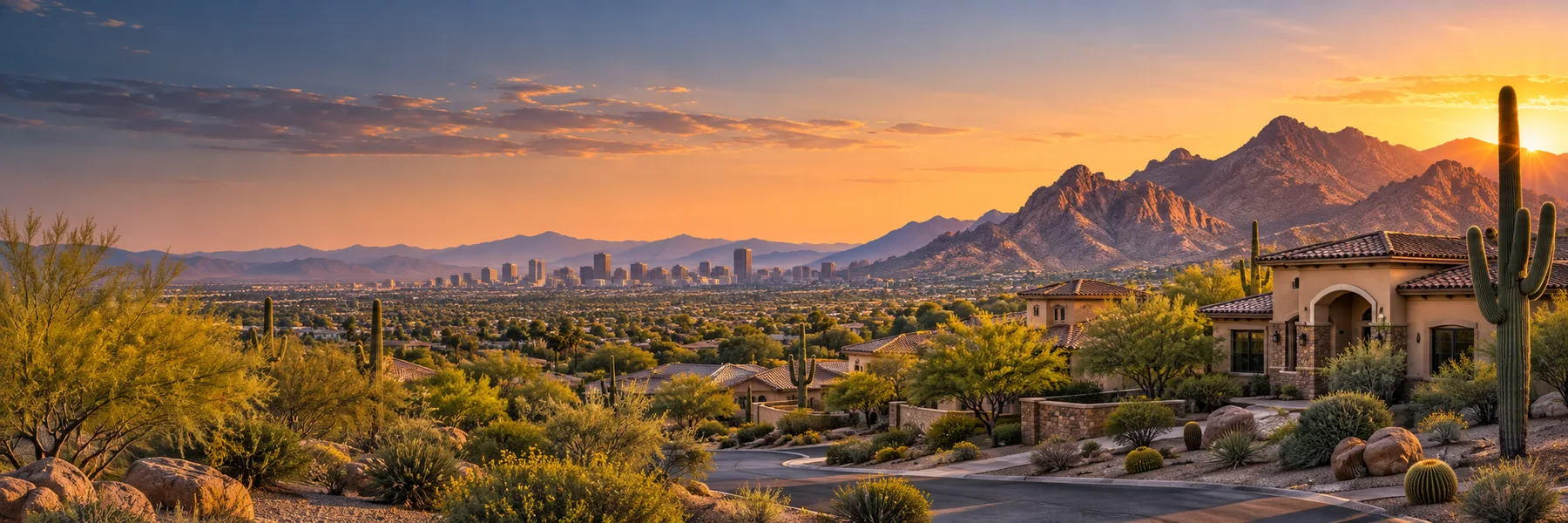
A RIGHT ROUND HERE REGIONAL GUIDE

Discover Phoenix Metro

Phoenix becomes more interesting when you look beyond the broad roads and let the desert set the scale. Across Maricopa and Pinal counties, mountains interrupt the built-up valley, botanical collections reveal the intricacy of dry-country plants, and cultural sites connect the present city with much longer histories. Plan in clusters rather than treating everything as downtown-adjacent. A day in central Phoenix, another in Scottsdale and a separate journey east or south will each reveal a different place.

Inside this guide · Seven local perspectives, five curated photographs and ten places worth your time.Jump to the places

THE REGION, UP CLOSE

A landscape with more than one story.

Our regional lens: Maricopa and Pinal counties, Arizona.

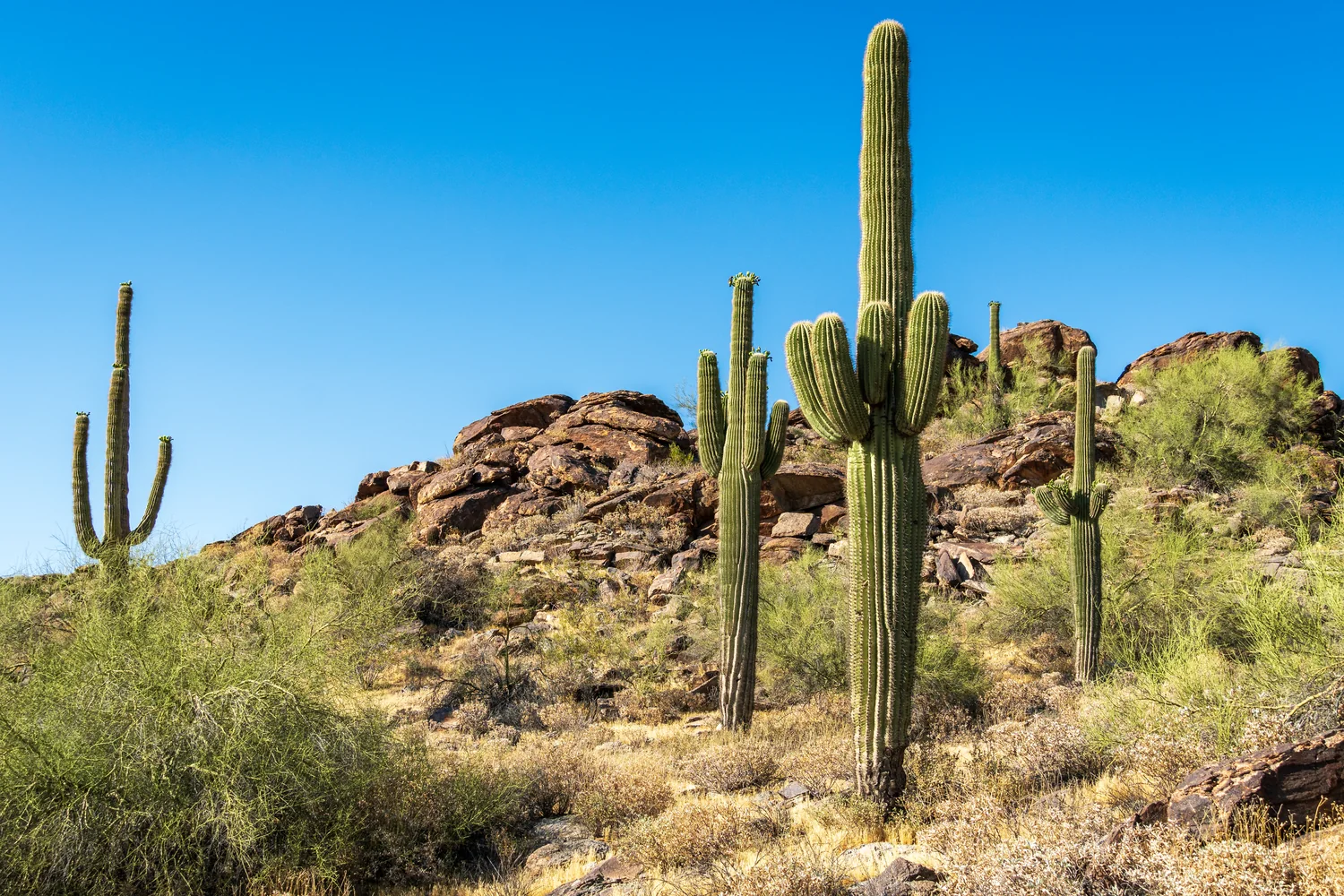
Start by learning to see the Sonoran Desert. At Desert Botanical Garden, the paths explain plant communities and the relationships between people and this landscape; the forms that first appear simply sculptural begin to carry meaning. South Mountain brings that learning onto a much larger terrain of trails and ridgelines. You do not need a summit to understand it. A short, suitable route can reveal more than a punishing climb, especially if you pause to notice the plants close to the ground.
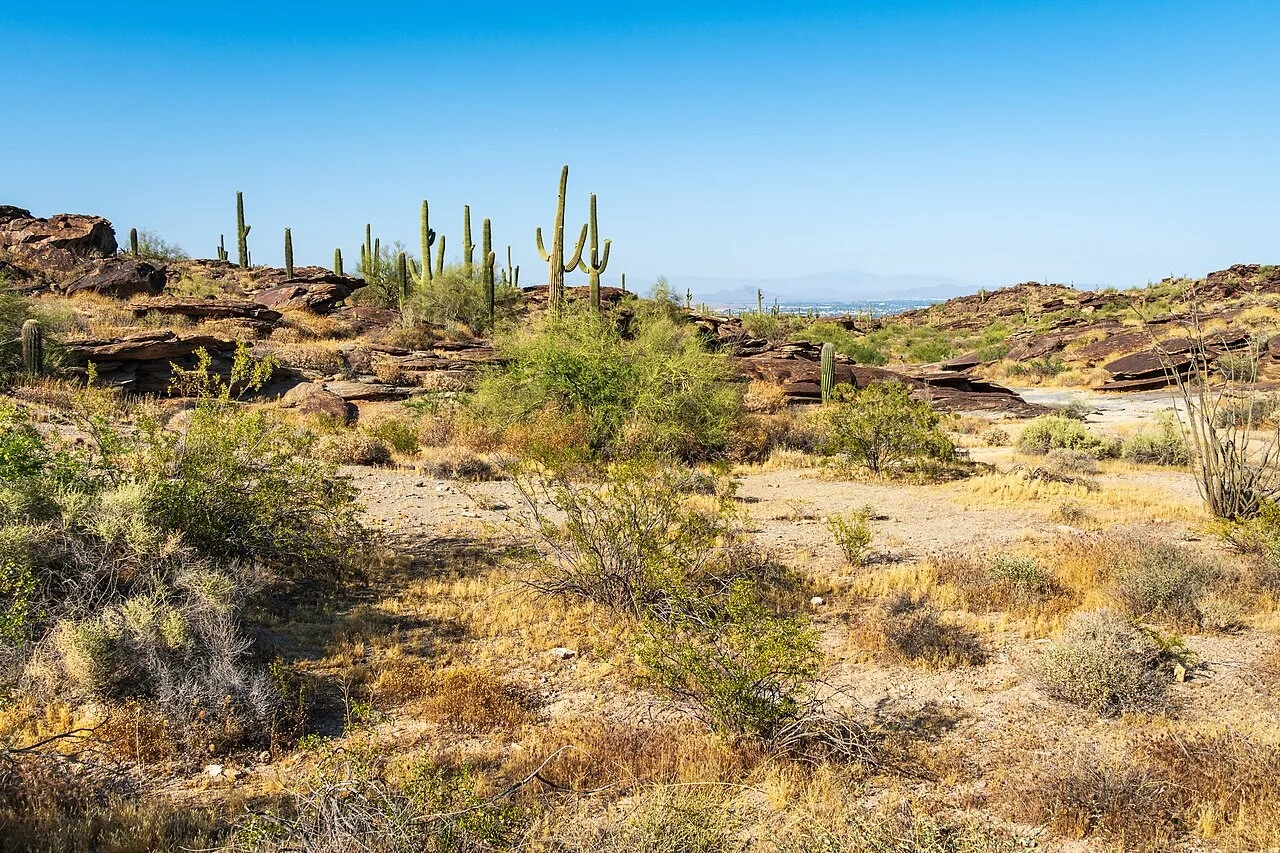
Desert terrain and vegetation at South Mountain Park, Phoenix.
The Sonoran Desert landscape at South Mountain Park.Photo: South Mountain Park, Phoenix by Domenico Convertini from Zurich, Schweiz. CC BY-SA 2.0. Resized and converted for web use.

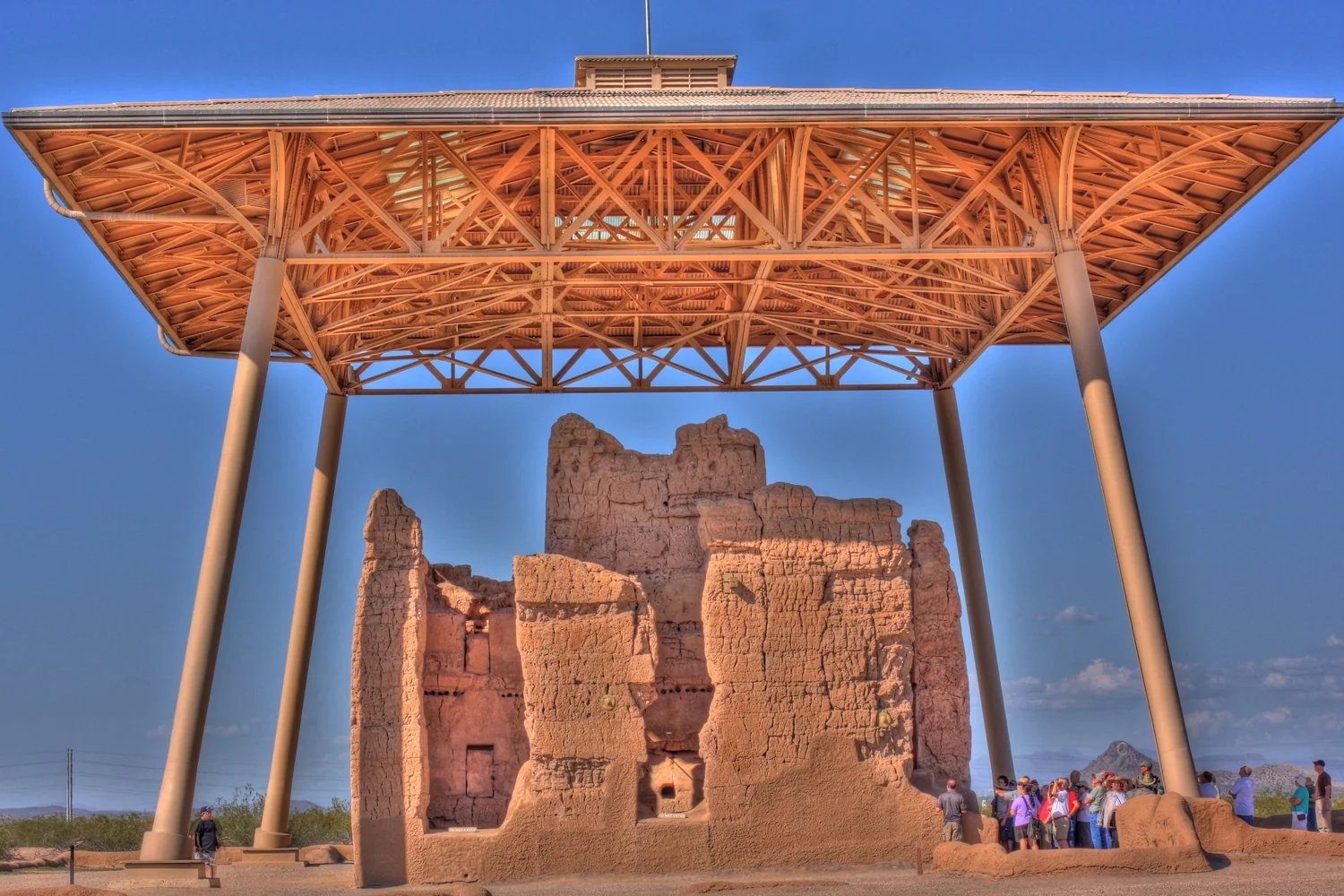
The valley’s story is inseparable from the problem of moving water. S’edav Va’aki Museum interprets the sophisticated canal-building communities who farmed here long before the modern city, while Casa Grande Ruins in Coolidge introduces the ancestral Sonoran Desert people through an extraordinary surviving architectural site. Visit with attention to engineering, settlement and cultural continuity rather than imagining an empty desert awaiting development. These places make the modern landscape easier to read, and put its apparent newness into perspective.
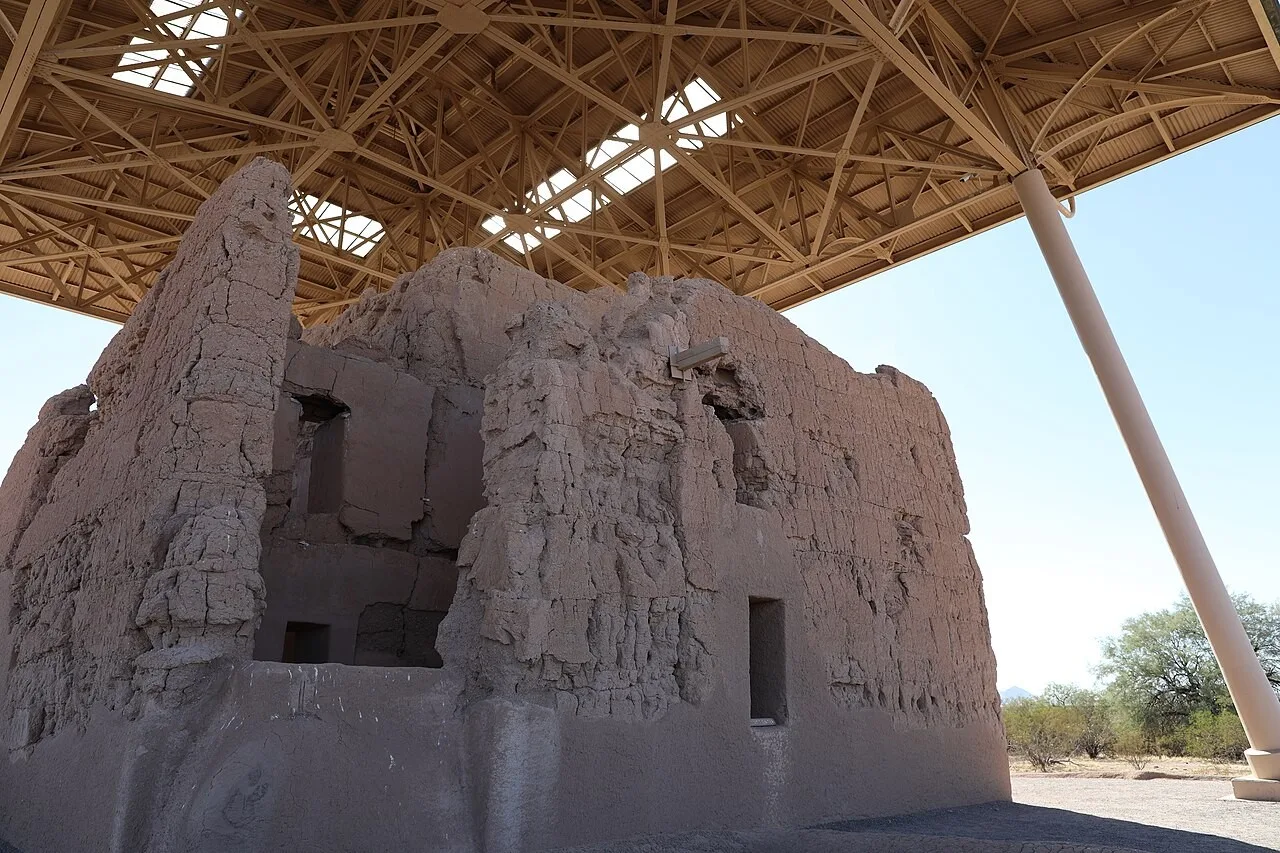
Earthen walls of Casa Grande Ruins beneath a protective roof.
The preserved ancestral structure at Casa Grande Ruins.Photo: Casa Grande Ruins by Goldmoney10. CC0 1.0.

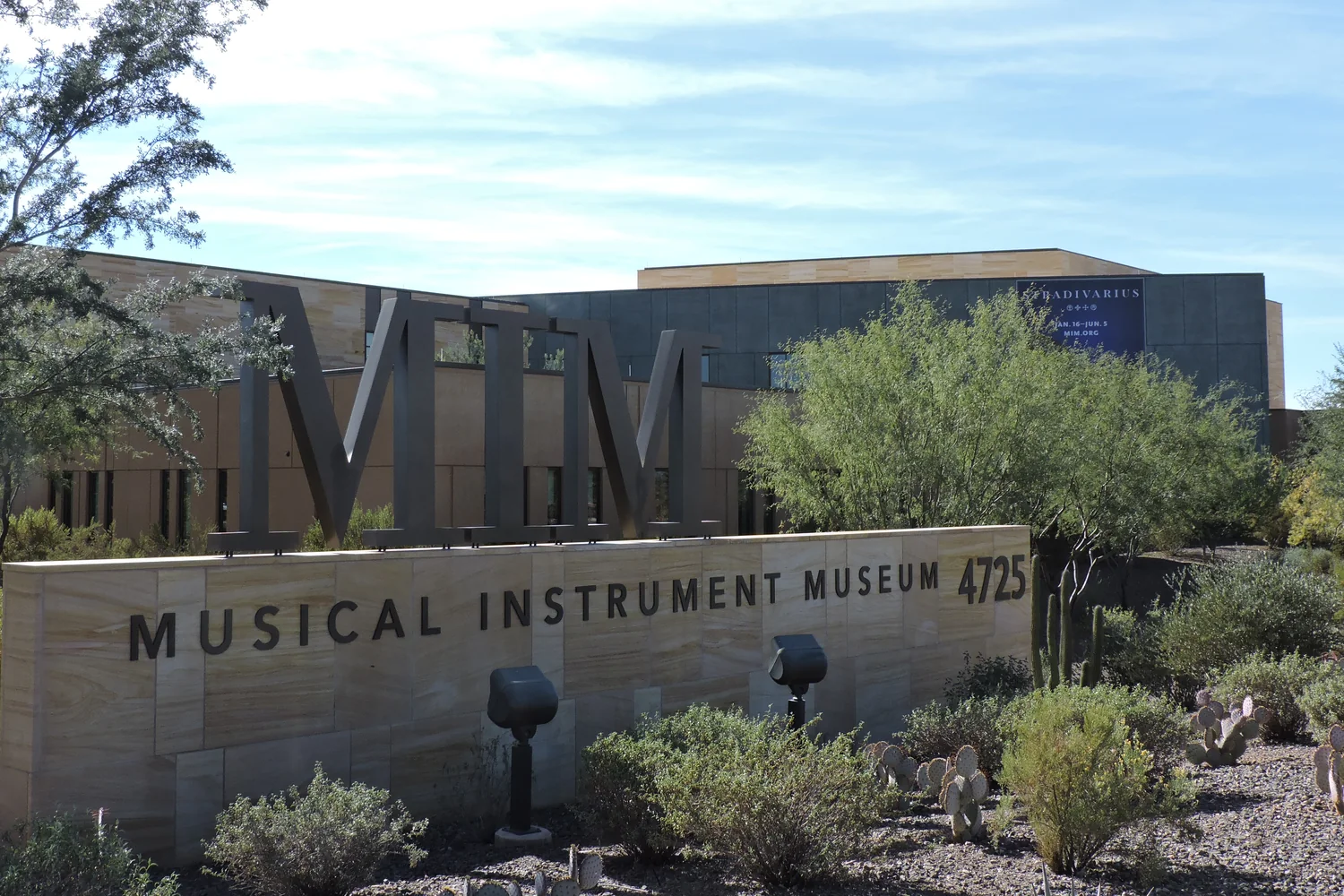
That deeper perspective continues at the Heard Museum, where historic and contemporary Indigenous art belongs to a living cultural conversation. Give the artists’ individual work as much attention as the broad histories. Farther north, the Musical Instrument Museum approaches human creativity through sound: headphones connect instruments on display with filmed performances, and the Experience Gallery invites participation. Both museums reward curiosity beyond the familiar, and both are strong choices for the hours when outdoor wandering is least appealing.
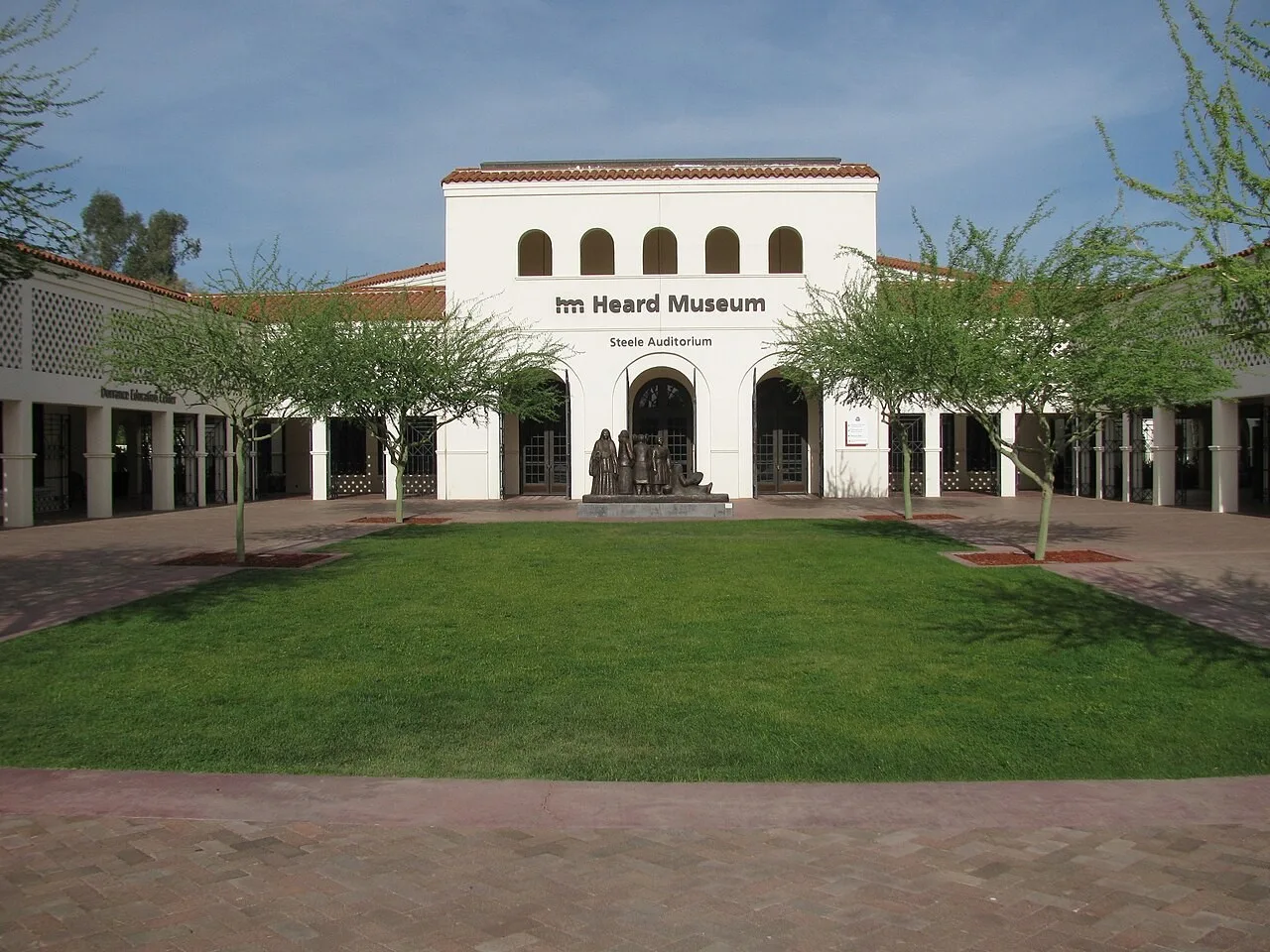
Exterior of the Heard Museum in Phoenix with landscaping.
The Heard Museum in Phoenix, photographed in May 2013.Photo: Heard Museum, May 2013 by Yassie. CC BY-SA 3.0. Resized and converted for web use.

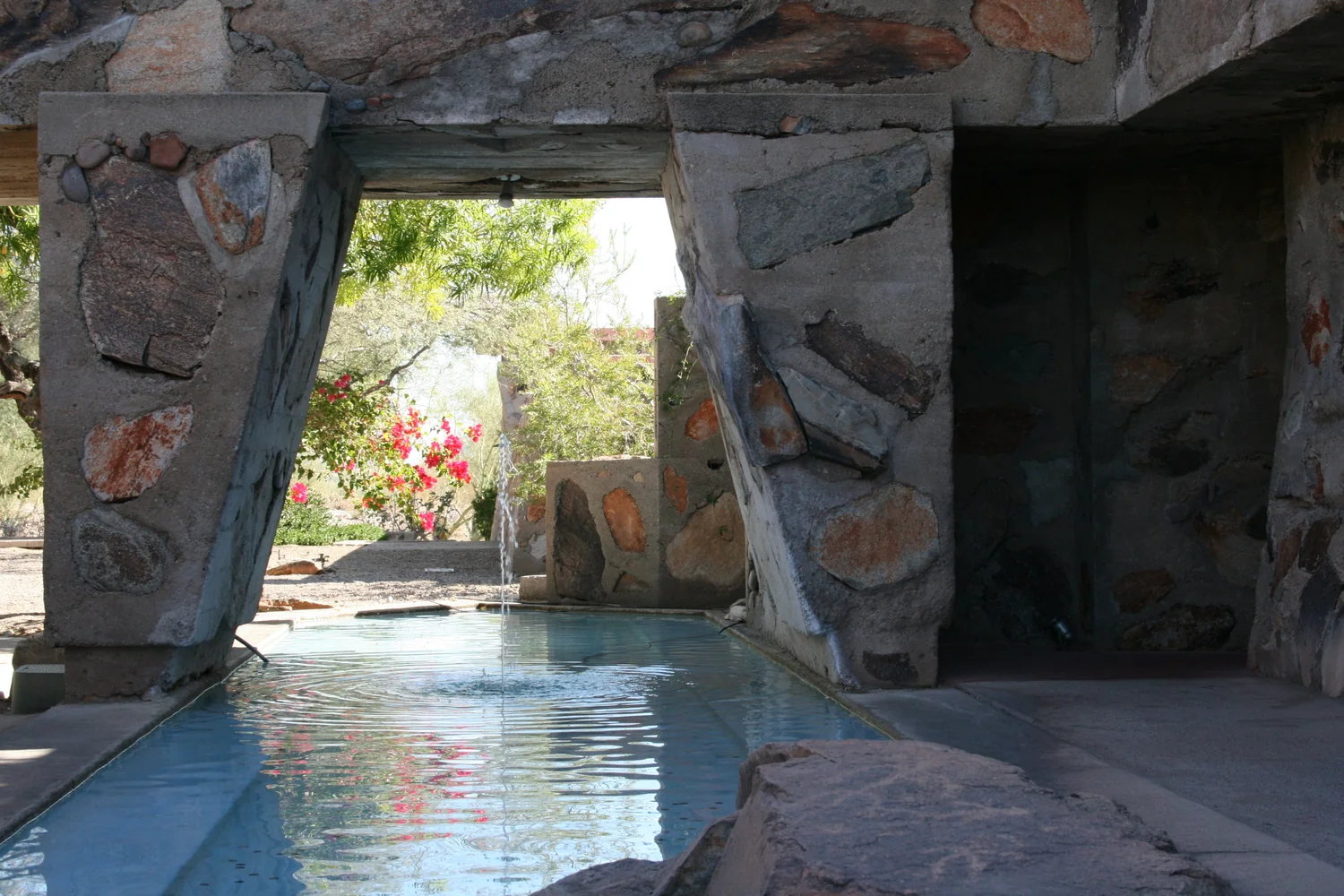
In Scottsdale, Taliesin West asks a different question: what should a building do in this particular desert? Frank Lloyd Wright and his apprentices developed the property as a winter home and place of work, embedding its low forms in the McDowell foothills. Notice the relationship between stone, enclosed rooms and outdoor spaces rather than treating it simply as a famous architect’s address. The experience becomes more compelling when the surrounding landscape remains part of what you are looking at.
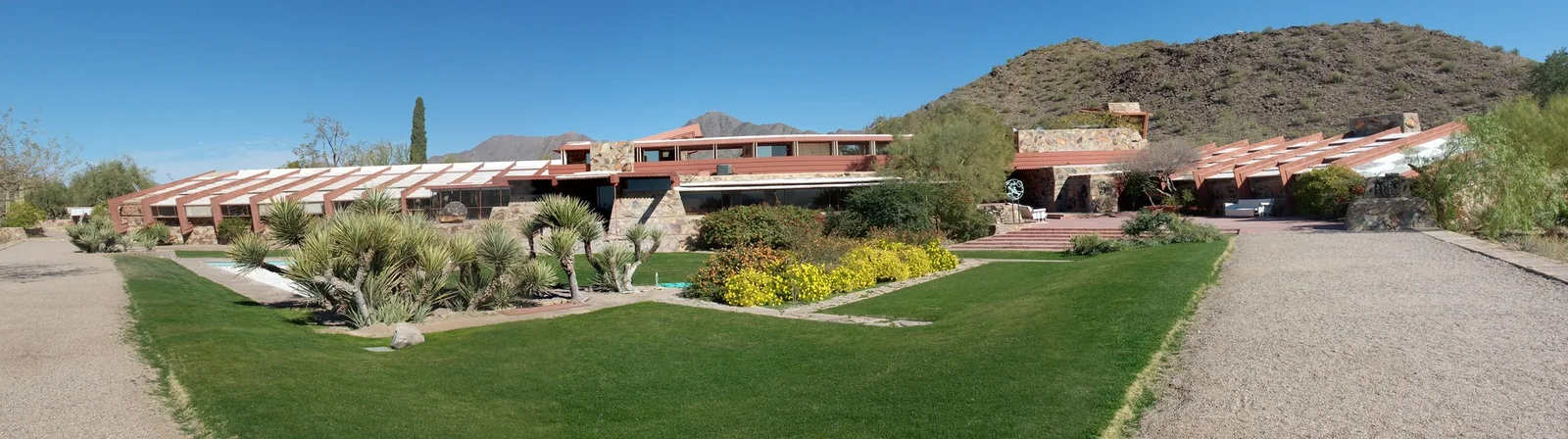
Panoramic view of Taliesin West’s stone walls, low roofs, gardens and desert hills.
Taliesin West’s low architecture and desert garden, photographed in 2010.Photo: Taliesin West panorama by John Fowler. CC BY 2.0. Resized and converted for web use.

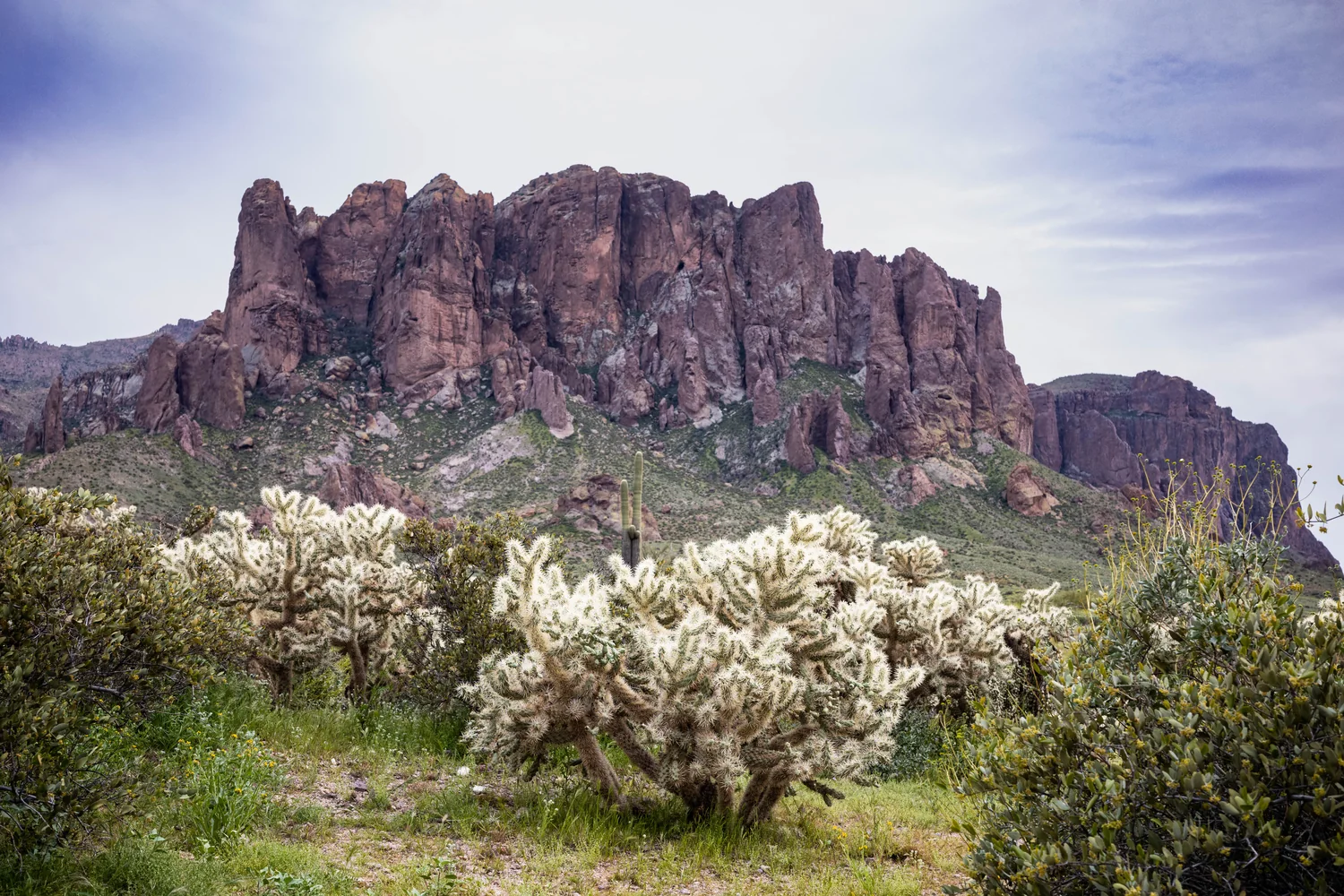
Pinal County gives the journey another set of textures. Lost Dutchman State Park places visitors below the Superstition Mountains, with routes ranging from plant-focused wandering to far more demanding mountain travel. Farther east near Superior, Boyce Thompson Arboretum gathers dry-land plants from around the world into a landscape of gardens and trails. Back in Maricopa County, Saguaro Lake supplies a striking meeting of water and desert, with shore access at Butcher Jones and boating facilities elsewhere on the lake.
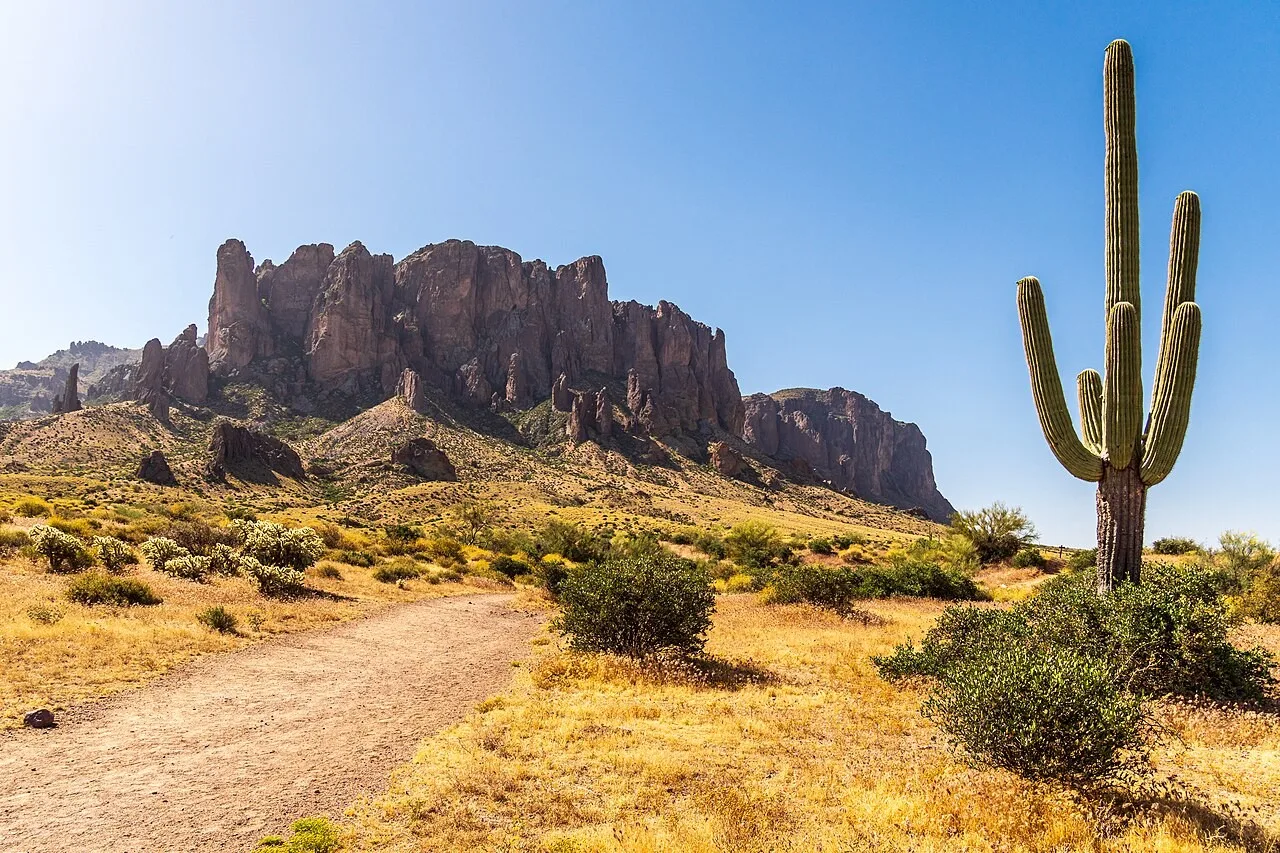
Tall saguaro cactus beside a winding desert trail and rugged Superstition Mountain cliffs.
A saguaro stands beside a trail below the Superstition Mountains.Photo: Superstition Mountains from Lost Dutchman State Park by Domenico Convertini (dconvertini). CC BY-SA 2.0. Resized and converted for web use.

The most satisfying Phoenix visit respects both distance and season. Build outdoor time around suitable weather, treat extreme-heat restrictions as part of the plan, and choose museum or architectural experiences when the desert demands a different pace. What stays with you may be a canal’s ingenuity, a plant’s shape or the way a room opens toward a mountain. Together, those details reveal a region that rewards close observation as much as wide-open views.
MAKE A DAY OF IT

Ten places to explore.

Landmarks, landscapes and local institutions selected to reveal the character of Phoenix Metro.

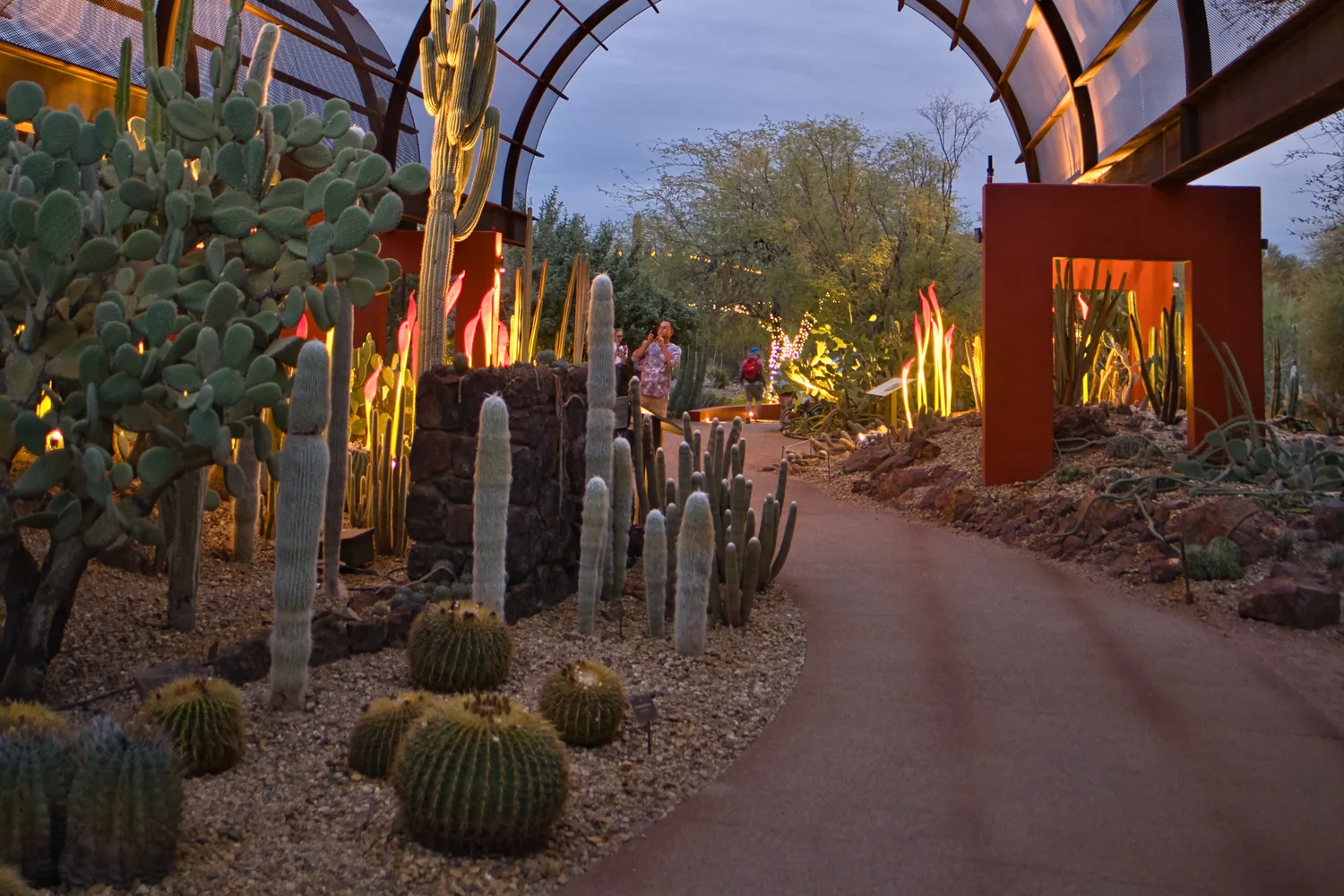
  1. A curving metal trellis shelters a cactus-lined path at Desert Botanical Garden in Phoenix.
    Archways in the Desert Botanical Garden by chris.rycroft · CC BY 2.0 · Cropped, resized and converted for web use.
    Phoenix, Maricopa County

    Desert Botanical Garden

    Follow the themed paths to see how varied a desert can be, from sculptural cacti to the longstanding relationships between plants and people. This is an ideal first stop before exploring wilder landscapes. Choose the trails that interest you most, and leave room to pause rather than treating the garden as a checklist.

    Plan your visit
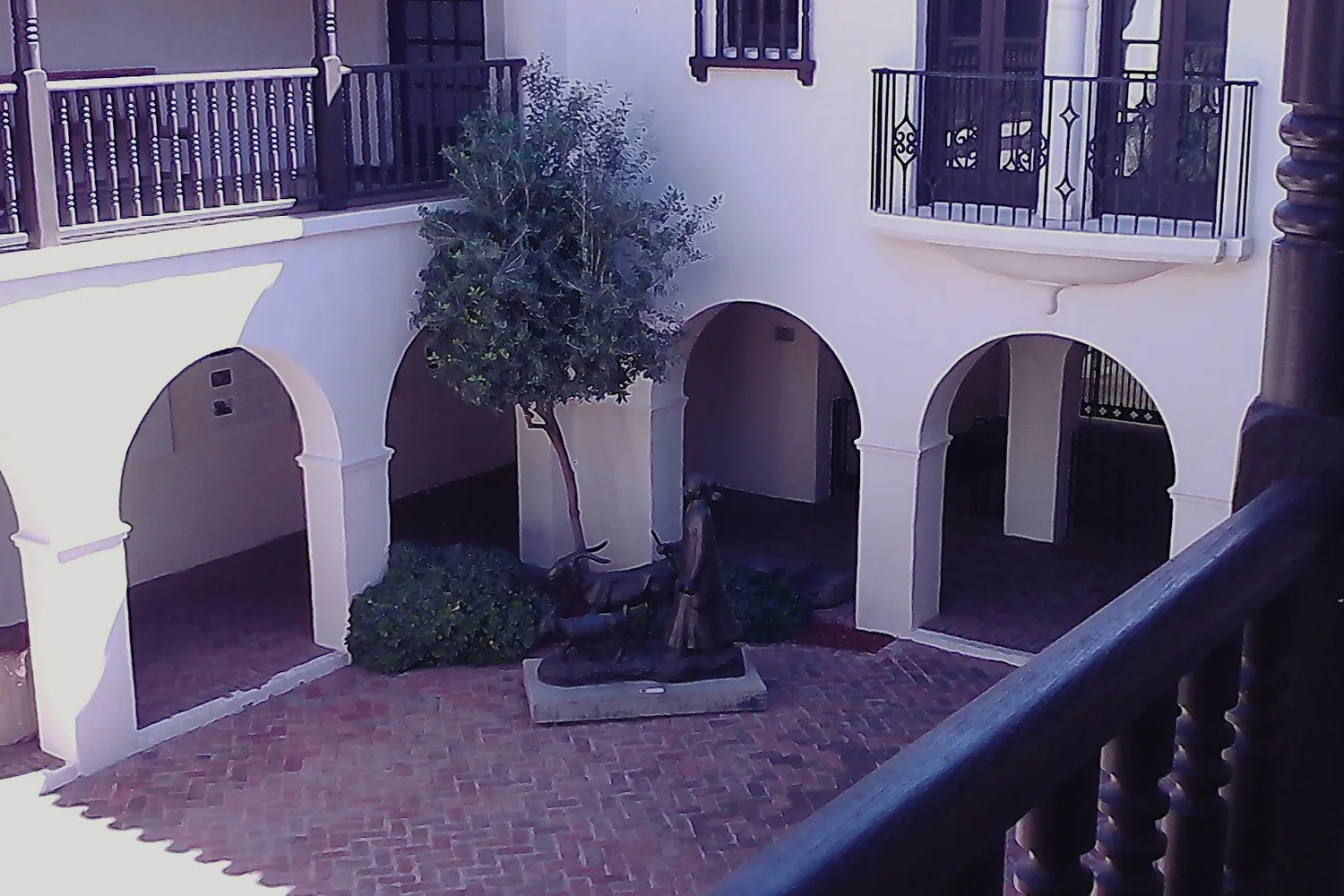
  2. Arched verandas surround an interior courtyard at the Heard Museum in Phoenix.
    Heard (2) by Eileen M. Kane · CC BY 2.0 · Cropped, resized and converted for web use.
    Phoenix, Maricopa County

    Heard Museum

    Historic objects and contemporary works introduce Indigenous artists and cultures through a broad, living conversation. Allow time for the permanent galleries and whichever changing exhibition draws you in. The Central Avenue location works well as a central-city anchor; public tours offer another way into the collections.

    Plan your visit
  3. The Musical Instrument Museum entrance sign and facade behind desert landscaping in Phoenix.
    Musical Instrument Museum 2, Phoenix AZ.JPG by PamMcP · CC BY-SA 4.0 · Cropped, resized and converted for web use.
    North Phoenix, Maricopa County

    Musical Instrument Museum

    Headphones connect the instruments in front of you with music and performances from their places of origin, making this a museum to hear as well as see. Save time for the hands-on Experience Gallery. Its north-Phoenix location near Loop 101 makes it sensible to group with other northern-valley plans.

    Plan your visit
  4. Tall saguaro cacti rise beside rocky desert hills at South Mountain Park in Phoenix.
    South Mountain Park, Phoenix, Arizona, USA by dconvertini · CC BY-SA 2.0 · Cropped, resized and converted for web use.
    Phoenix, Maricopa County

    South Mountain Park/Preserve

    A large desert landscape on the city’s southern edge offers choices beyond an ambitious summit hike. The Judith Tunell Accessible Trail provides short hard-surface loops near the visitor center, while other routes demand more preparation. Begin with the trail map and select a route for the temperature, terrain and people in your group.

    Plan your visit
  5. Water reflects stone walls and a garden opening at Taliesin West.
    Taliesin West by Artotem · CC BY 2.0 · Cropped, resized and converted for web use.
    Scottsdale, Maricopa County

    Taliesin West

    Wright’s winter home and working campus turns the desert itself into an architectural subject. Take time to notice how low buildings, materials and outdoor spaces relate to the McDowell foothills. Reserve a tour suited to your interests; the historic core and more specialized landscape or behind-the-scenes experiences cover different ground.

    Plan your visit
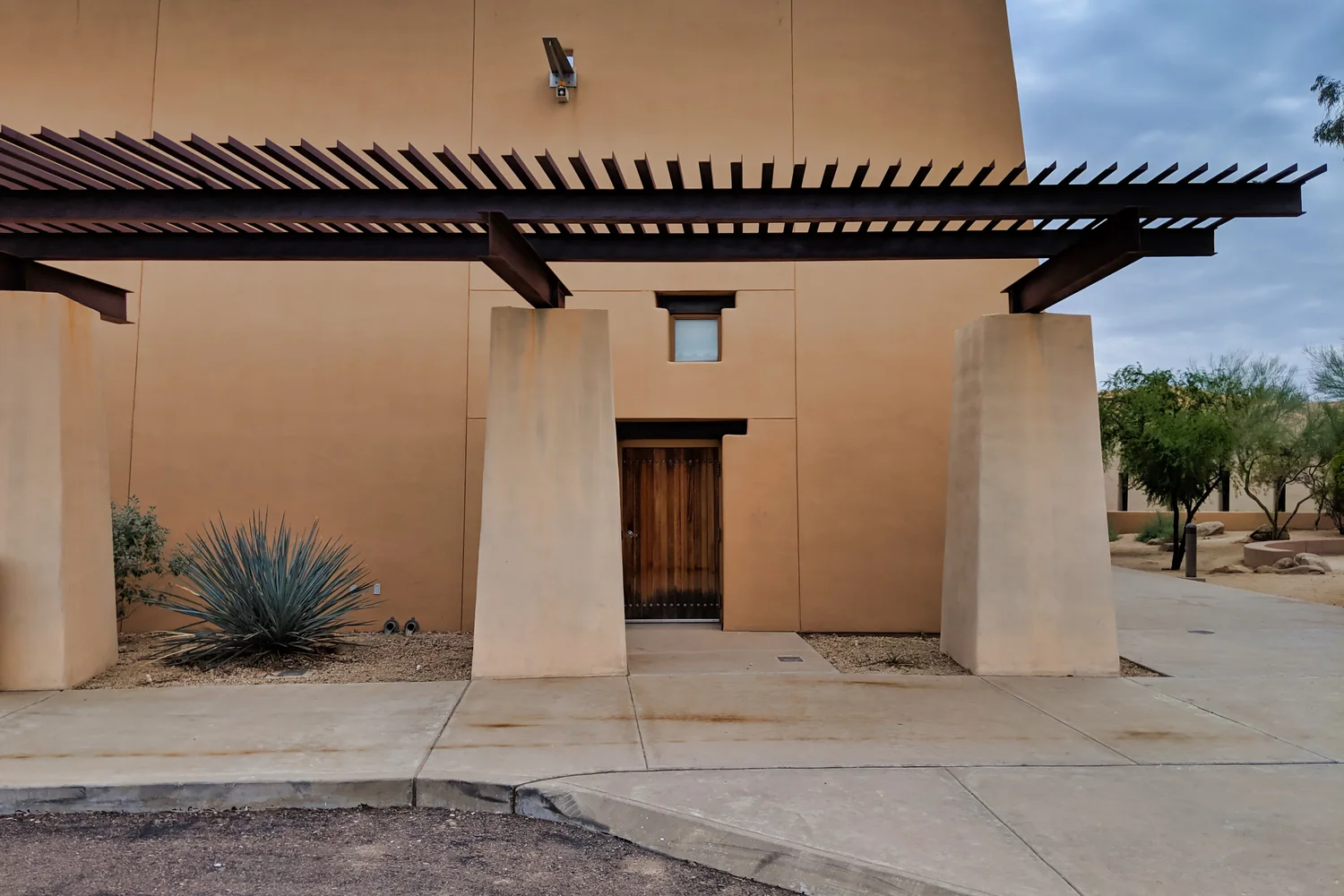
  6. Adobe-colored walls and a slatted shade canopy at the S’edav Va’aki Museum.
    Tapered pillars and the slatted desert canopy → Pueblo Grande Museum → Phoenix by dalecruse · CC BY 2.0 · Cropped, resized and converted for web use.
    Phoenix, Maricopa County

    S’edav Va’aki Museum

    This archaeological site and museum makes the valley’s ancient canal engineering and farming communities visible within the modern city. Combine the interpretation indoors with time at the site itself. Formerly called Pueblo Grande Museum, it is best approached as a place to understand people and water, not simply inspect old walls.

    Plan your visit
  7. The ancient Great House beneath its protective roof at Casa Grande Ruins National Monument.
    Casa Grande Ruins National Monument by kevin dooley · CC BY 2.0 · Cropped, resized and converted for web use.
    Coolidge, Pinal County

    Casa Grande Ruins National Monument

    The surviving Great House and surrounding archaeological remains invite questions about architecture, water and community in the ancestral Sonoran Desert. Begin with the visitor-center exhibits and orientation film, then follow the short interpretive walk. Despite the monument’s name, the destination is in Coolidge, not the nearby city of Casa Grande.

    Plan your visit
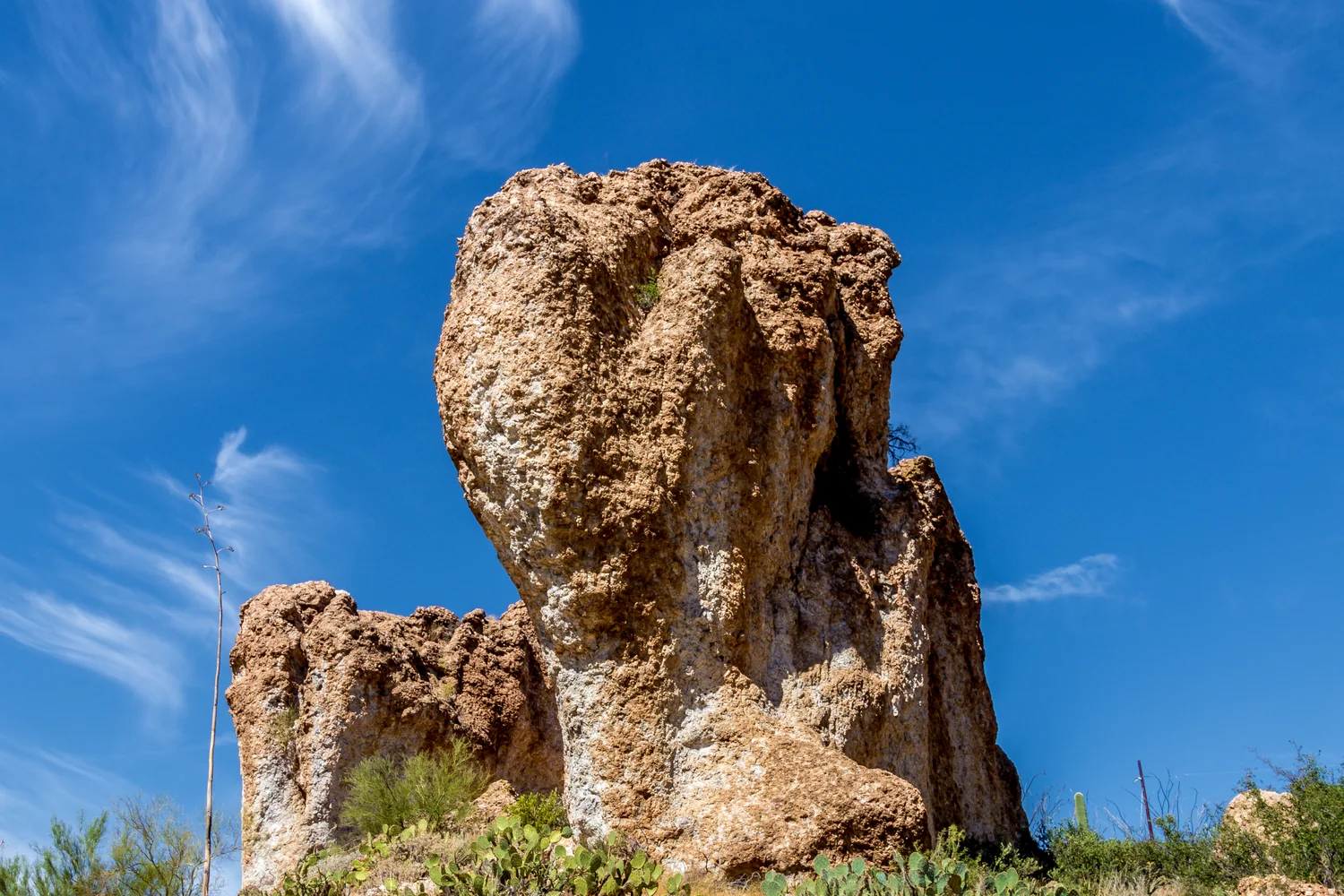
  8. A large weathered boulder rises among desert plants at Boyce Thompson Arboretum.
    Boyce Thompson Arboretum by kevin dooley · CC BY 2.0 · Cropped, resized and converted for web use.
    Near Superior, Pinal County

    Boyce Thompson Arboretum

    A collection of desert plants from around the world makes this more than a local botanical walk. Follow garden paths and creekside sections to compare the shapes and strategies of plants from different dry climates. The arboretum lies west of Superior off US 60; sturdy shoes suit its unpaved trails.

    Plan your visit
  9. Flowering desert plants beneath the Superstition Mountains in Lost Dutchman State Park.
    Superstition Mountains: Lost Dutchman State Park by *rb-photo* · CC BY 2.0 · Cropped, resized and converted for web use.
    Apache Junction area, Pinal County

    Lost Dutchman State Park

    The Superstition Mountains make a dramatic backdrop even to a modest walk. Start with the Native Plant Trail or another route matching your experience; the demanding Siphon Draw and Flatiron approach is a different undertaking altogether. The visitor center provides a useful first stop before choosing a desert or mountain outing.

    Plan your visit
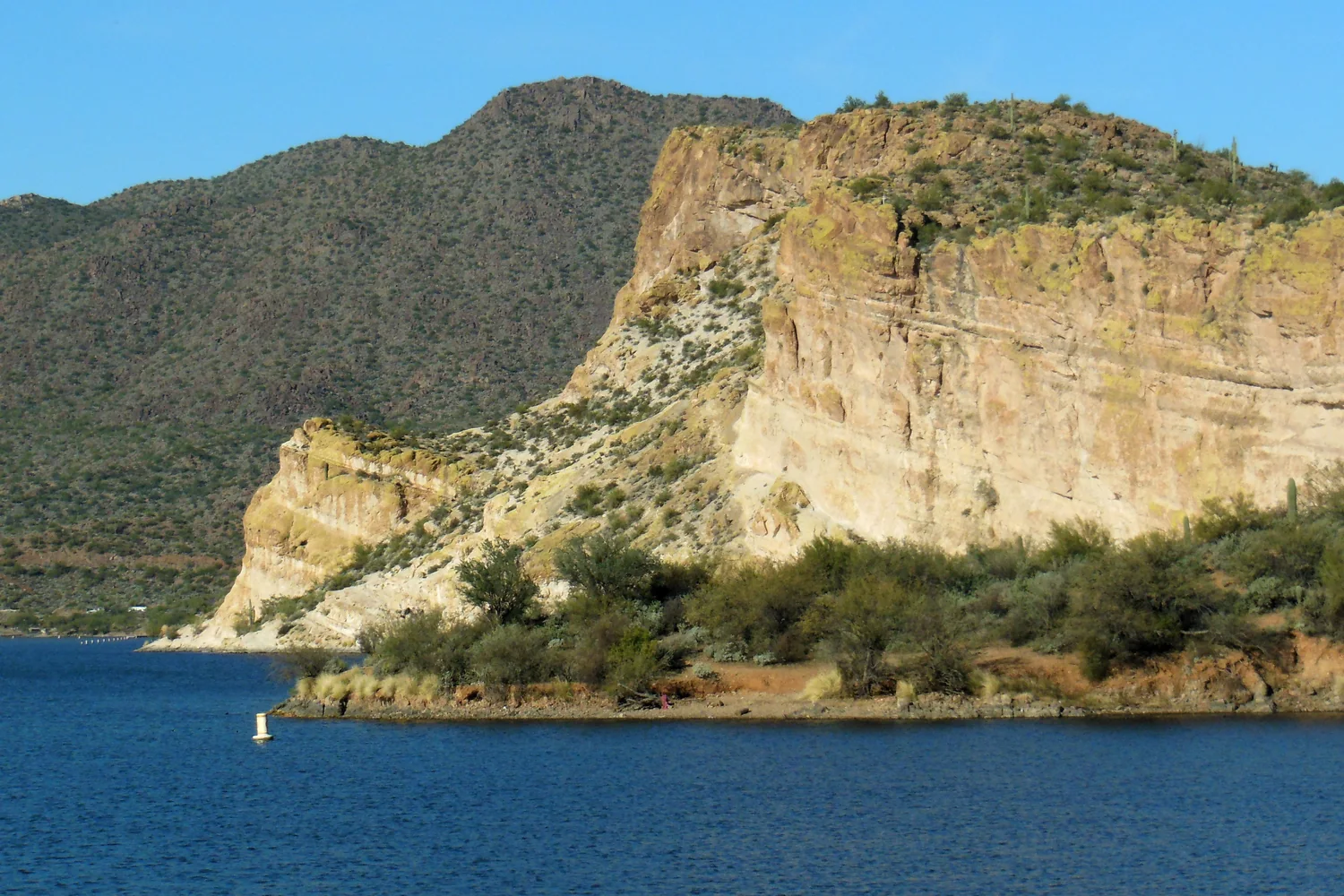
  10. Blue water and steep cliffs at Butcher Jones Cove on Saguaro Lake.
    ButcherJonesCove-1 by William Herron · CC BY-SA 2.0 · Cropped, resized and converted for web use.
    Northeast of Mesa, Maricopa County

    Saguaro Lake and Butcher Jones Recreation Area

    Desert hills surrounding a broad reach of water create a memorable eastern-valley outing. Butcher Jones offers shoreline access for a walk or a planned paddle, while motorized boat launching uses the marina area. Bring the appropriate Tonto recreation pass and choose your access point before driving out.

    Plan your visit

PUTTING DOWN ROOTS?

Local help for the practical side of life.

Whether you are visiting, newly arrived or caring for a longtime home, the Right Round Phoenix service directories make useful local options easier to find.

Explore local services